Top Plumbing Tips: How to Avoid Common Home Plumbing Issues
Homeowners often encounter numerous plumbing issues that can lead to expensive repairs. Understanding basic preventive measures is crucial for keeping a plumbing system in good working order. Periodic inspections and straightforward maintenance can go a long way in preventing serious issues. Equipped with the right tools and knowledge, homeowners can manage many situations themselves. Nevertheless, understanding when to contact a professional is equally essential. The following insights will provide a clearer path to efficient plumbing care.
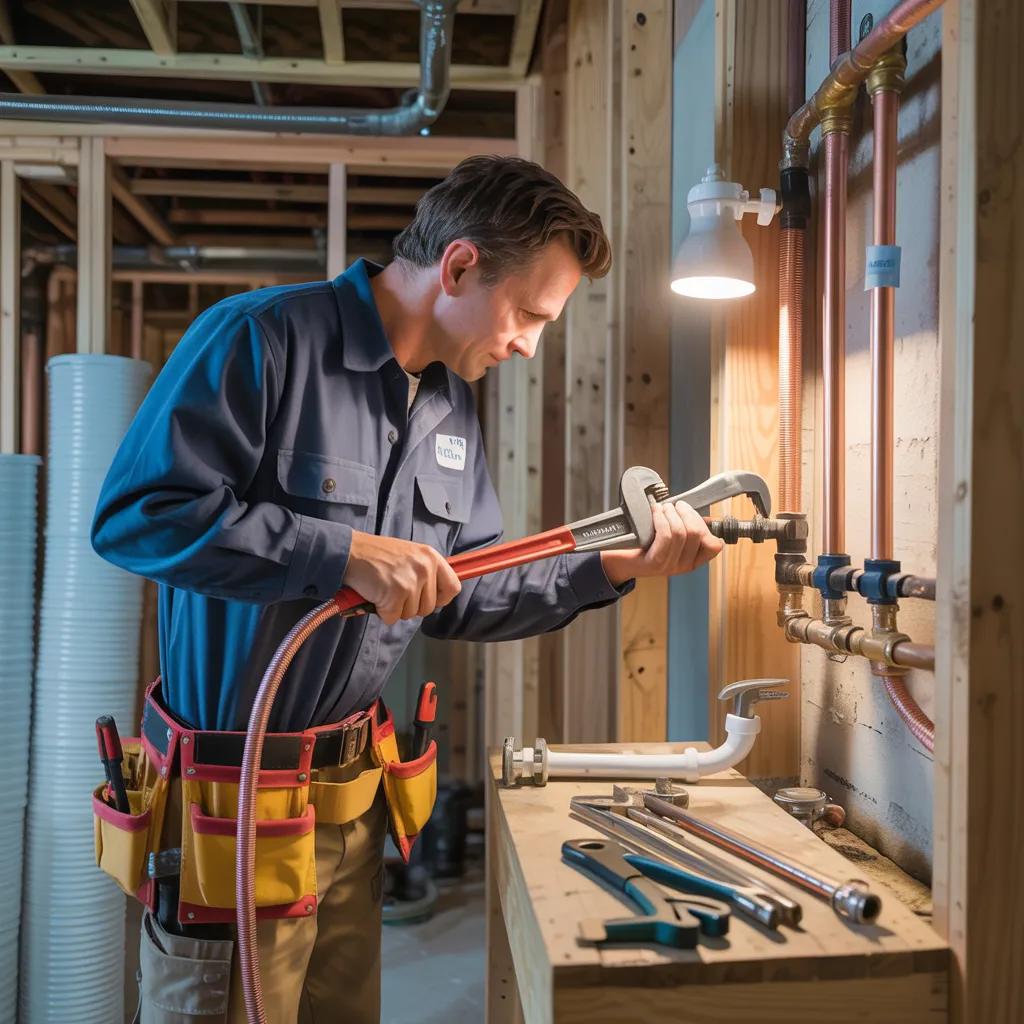
Key Tools Every Homeowner Requires for Plumbing
When homeowners deal with plumbing challenges, having the proper tools available can be incredibly beneficial. Essential tools for tackling common plumbing problems include a plunger, which is vital for clearing clogged drains, and a pipe wrench, which provides the grip needed for tightening or loosening plumbing fittings. A basin wrench is also valuable for reaching tight spaces and securing faucet connections.
Additionally, a set of adjustable wrenches allows for versatility across different sizes of nuts and bolts. Homeowners would benefit from acquiring a plumbing snake to handle more serious blockages inside pipes. Teflon tape is another essential item, useful for ensuring leak-proof connections. A reliable bucket is also valuable for containing spills that may occur during plumbing repairs. Having these fundamental tools readily available empowers homeowners to resolve small plumbing problems quickly, which may save both time and money while reducing stress.
Preventing Common Plumbing Issues
Homeowners can significantly lower the chances of plumbing problems by adopting proactive maintenance habits. Regularly inspecting pipes and fixtures for leaks can assist in detecting issues before they worsen. Ensuring that drains are clear of debris reduces the risk of clogs and supports efficient water flow. It is recommended to place strainers in sinks and bathtubs to catch hair and food particles, which often contribute to blockages.
In addition, homeowners should regularly inspect the water pressure through the use of a gauge, as overly high pressure can strain pipes and lead to leaks. Conducting yearly water heater flushes removes sediment buildup, enhancing efficiency and prolonging lifespan. Applying insulation to exposed pipes in cooler areas can prevent freezing and bursting during winter months. Finally, being aware of the main shut-off valve's location can reduce response time and limit damage during emergencies. By putting these preventative measures into practice, homeowners can safeguard their plumbing systems and avoid costly repairs.
Essential DIY Plumbing Tips for Homeowners
Many homeowners can benefit from fundamental DIY plumbing advice that enables them to address small problems on their own. To begin with, having a plunger and a drain snake readily available can successfully clear blockages. Homeowners should know how to turn off the water supply to avoid flooding during repairs. Routinely inspecting for leaks beneath sinks and around toilets can help avoid water loss and potential damage. Using a consult now mixture of baking soda and vinegar can help maintain clear drains without harsh chemicals.
For minor repairs, such as replacing a faucet or fixing a running toilet, homeowners ought to become acquainted with essential tools such as wrenches and screwdrivers. Additionally, understanding the layout of plumbing systems can aid in identifying issues quickly. Finally, maintaining a clean and organized workspace will enhance efficiency during any plumbing project. These essential DIY tips can save time and money while ensuring a well-functioning home plumbing system.
At What Point Should You Contact a Pro for Plumbing Help?
How can one determine the correct time to call a professional plumber? Recognizing the signs of a serious plumbing issue is critical for homeowners. If a minor leak escalates into a significant flow of water, or if persistent clogs resist all DIY methods, it's necessary to contact an expert. Odd sounds emanating from plumbing lines or foul sewer scents can signal deeper problems that require expert intervention. Additionally, if water pressure drops or disappears entirely, this may indicate a serious underlying issue.
Homeowners ought to also pursue professional assistance when plumbing tasks include complicated installations or major repairs that exceed their abilities. Disregarding these indicators can cause increasingly costly repairs and harm to the property. Ultimately, knowing when to call a pro guarantees that plumbing problems are addressed efficiently and effectively, preserving both the household and the owner's sense of security.
Learn the Essentials of Your Home's Plumbing System
Gaining a solid understanding of residential plumbing systems is critical for proper upkeep and problem-solving. A typical household plumbing setup is made up of numerous parts, including fixtures, pipes, and appliances. The central water supply line supplies clean water, while wastewater lines transport wastewater out of the property. It is important for homeowners to know the location of water shut-off valves to quickly address possible leaks or plumbing emergencies.
Furthermore, understanding the variations between supply lines and drain systems can help identify problems. Pressurized supply lines are responsible for delivering water, while drainage lines use gravity to carry away waste. Periodically looking for evidence of damage, such as rust or water leaks, can prevent larger problems down the line. Familiarity with how these systems operate empowers homeowners to make informed decisions about maintenance and repairs, ultimately saving time and reducing costs. By mastering these core concepts, homeowners can more effectively handle their plumbing requirements and steer clear of frequent mistakes.
Seasonal Checklist for Plumbing Maintenance
Seasonal plumbing maintenance is essential for avoiding expensive repairs and keeping a home's systems running smoothly. Property owners should consistently check pipes for leaks, evaluate the efficiency of their water heater, and clear gutters and drains to avoid blockages. This proactive approach can greatly enhance the longevity and reliability of plumbing systems.
Check Pipes For Leaks
Examining pipes for leaks is a fundamental practice to copyright the integrity of a home's plumbing system. Homeowners ought to routinely inspect all accessible and concealed pipes, with special attention to basements, areas under sinks, and surrounding water fixtures. Signs of leaks may include water stains, dampness, or mold growth. Employing a flashlight aids in spotting small cracks or drips that could easily be missed. It is equally important to keep track of water bills for any unusual spikes, as these may signal concealed leaks. To enhance protection, residents may want to invest in leak detection systems designed to warn them of moisture buildup. Swiftly dealing with any discovered leaks is crucial to averting larger complications, including structural deterioration or widespread mold growth, and preserving the overall health of the plumbing over time.
Inspect Water Heater Performance
Regularly checking the water heater performance is essential for maintaining efficient plumbing in any home. Homeowners ought to examine the thermostat settings to ensure they reflect the optimal temperature, typically around 120 degrees Fahrenheit. This not only reduces energy consumption but also prevents scalding. In addition, examining the pressure relief valve for proper operation is essential; a defective valve can lead to unsafe pressure increases. Sediment buildup can also compromise efficiency, so rinsing out the tank each year is advised to maximize the unit's longevity. Moreover, checking for leaks or corrosion around the heater can stop more serious complications from developing. By routinely checking these aspects, homeowners can ensure their water heater functions efficiently and safely.
Clean Gutters And Drains
Maintaining clean drains and gutters is essential for preventing water damage and maintaining adequate drainage around the home. As time passes, debris such as dirt, leaves, and twigs can accumulate, obstructing water flow. This obstruction may result in overflow, leading to possible damage to the walls, roof, and foundation. Consistent inspection and cleaning, especially before seasonal changes or heavy rainfall, are critically important. Homeowners should consider using a strong ladder to safely access gutters or hiring professionals for thorough maintenance. Additionally, adding gutter guards can reduce debris accumulation and reduce cleaning frequency. Properly functioning drains are equally important; making sure they remain free of clogs can eliminate unpleasant odors and backups, promoting a healthier home environment.
Sustainable Plumbing Practices for a Greener Home
Many homeowners are increasingly recognizing the significance of sustainable plumbing methods to encourage green living. Installing water-efficient fixtures, such as dual-flush toilets and low-flow faucets, considerably lowers water consumption without compromising efficiency. Furthermore, the installation of greywater recycling systems facilitates the repurposing of water from sinks and showers for irrigation, further conserving resources.
Consistent maintenance is vital; repairing leaks in a timely manner can preserve gallons of water and decrease energy expenses. Residents may also want to explore biodegradable drain cleaning solutions to steer clear of aggressive chemicals that damage the environment.
Opting for sustainable options, such as bamboo or recycled metals, for pipe repairs and installations promotes a greener home. Additionally, insulating pipes minimizes energy loss, enhancing overall performance. Through adopting these eco-friendly plumbing practices, homeowners not only support environmental conservation but also foster lasting efficiency and savings in their homes.
Commonly Asked Questions
How Do I Find Hidden Leaks in My Home?
To detect hidden leaks, individuals can track water bills for unusual surges, inspect walls and ceilings for dampness, listen for unusual sounds in pipes, and use moisture meters or infrared cameras to detect possible problems.
What Are the Signs of a Clogged Sewer Line?
Warning signs of a clogged sewer line include slow-moving drains, gurgling sounds from household fixtures, sewage overflow, unpleasant smells, and water pooling in the yard. These signs signal a clog requiring timely professional intervention to avoid significant damage.
How Often Should I Flush My Water Heater?
Residents need to perform a water heater flush on a yearly basis to eliminate sediment accumulation. Consistent maintenance enhances overall efficiency and increases the longevity of the appliance, ensuring peak performance and preventing potential issues caused by mineral buildup as time goes on.
Is It Safe to Use Chemical Drain Cleaners?
Chemical drain cleaners can be used safely, but vigilance is necessary. Excessive use can cause pipe damage and produce dangerous fumes. It's often advisable to explore alternative methods or consult a professional for persistent clogs.
What Causes Low Water Pressure in My Home?
Low water pressure in a home is often due to several underlying issues, such as clogged pipes, water leaks, defective fixtures, or municipal supply issues. Determining the exact cause is essential for properly reestablishing normal water pressure.